

African Games in the Spotlight: From Community Support to Industry Recognition
As 2026 draws to a close, we have several exciting milestones to celebrate at Jiwe and across our game development community.
From crowdfunding and community playtesting to festival awards, industry nominations and international showcases, this year has offered encouraging examples of what can happen when African games are given opportunities to reach new audiences.
For us, these milestones reflect two interconnected journeys: developing games that engage with African stories and histories through Jiwe Studio in collaboration with our academic, research and community partners, and building an ecosystem that supports African game developers through Jiwe IO.
At the heart of both journeys is a shared philosophy: building in public and building with communities.
From crowdfunding to new funding pathways for African creators
Earlier this year, Jiwe IO launched its first live crowdfunding campaign in partnership with Zawadi Games, supporting the continued development of Ma3 Simulator, a game inspired by Kenya's matatu culture.
With contributions from local and international supporters, the campaign successfully reached its KES 25,000 funding target.
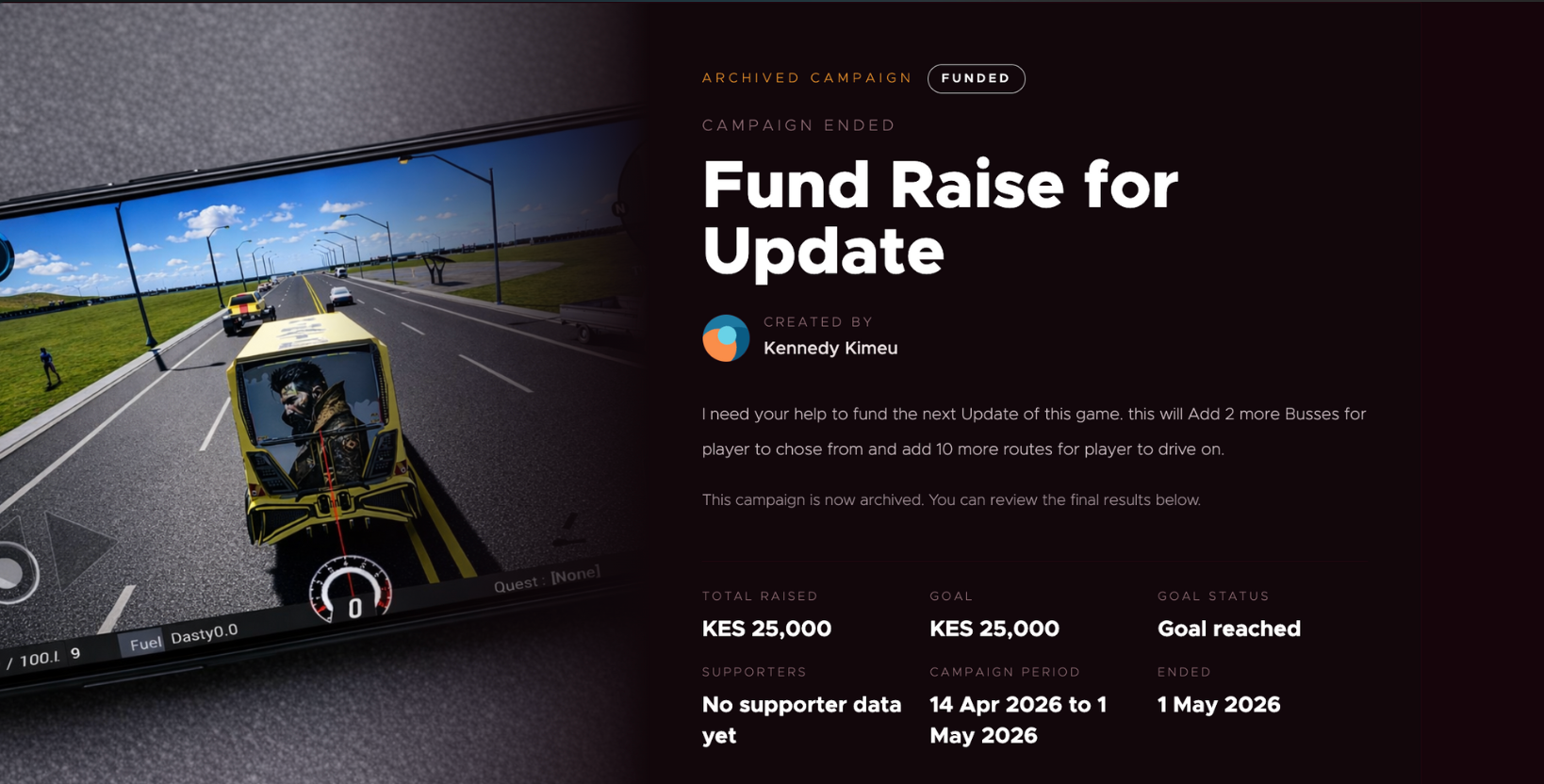
It was an important milestone for Jiwe IO, demonstrating how a community of players and supporters could contribute directly to the development of an African game.
Today, that initiative has been nominated for Industry Funding Initiative of the Year at the 2026 Games Industry Africa Awards.
Ma3 Simulator itself has also been nominated for Most Impactful Mobile Game.
For us, there is particular significance in seeing both the game and the initiative that helped support its development receiving industry recognition.
But what is perhaps more exciting is what has been happening since that first campaign.
We are seeing more developers on Jiwe IO open crowdfunding campaigns to support their projects. These campaigns are beginning to function as a form of community-powered micro-funding, helping creators access modest but meaningful amounts of capital to continue developing their games.
For an independent developer, funding does not always need to come in the form of a large investment. Sometimes, what is needed is enough to complete an asset, introduce a new feature, improve a prototype or reach the next development milestone.
We are also working on a feature requested by our users: project-based subscriptions. This will enable supporters to subscribe to individual projects and contribute towards their development every month.
Our ambition is to make supporting African game development something that players and communities can participate in continuously, rather than only through occasional campaigns.
Building momentum at Fak’ugesi
October marked another important chapter in this journey.
At the 2026 Fak’ugesi African Digital Innovation Festival in Johannesburg, Jiwe IO partnered with the festival and Tshimologong teams to support the Dala Khona gaming showcase.
Through our first community voting initiative, we recorded 178 votes from participants across ten countries, connecting African game creators with audiences both at the festival and online.
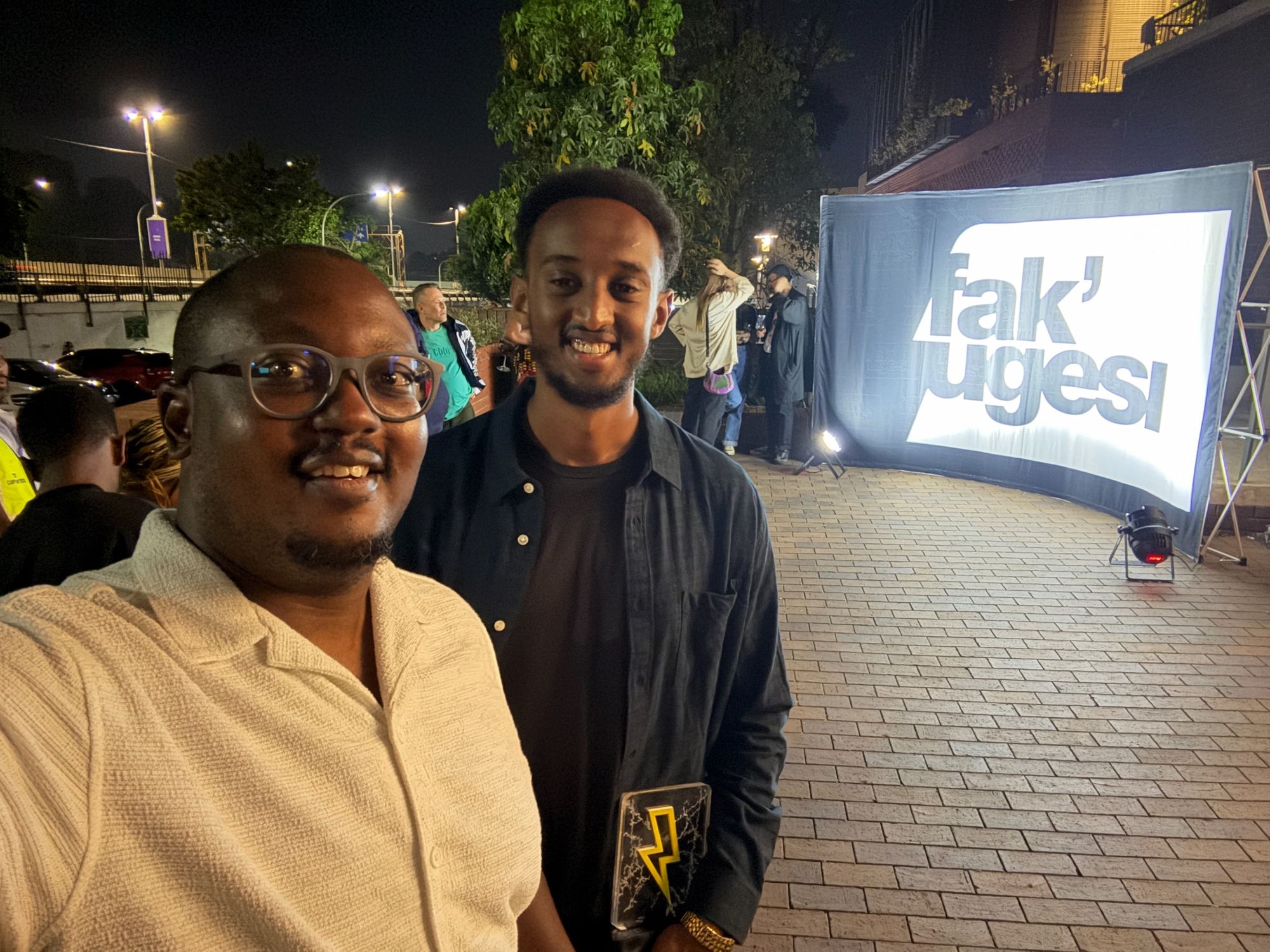
Two achievements stood out:
- Ma3 Simulator — Zawadi Games: Prototype of the Year.
- COLOUR CHASE — SafeDollar Studios: Dala Khona Audience Choice Winner, receiving 93 community votes and a US$200 development grant from Jiwe IO.
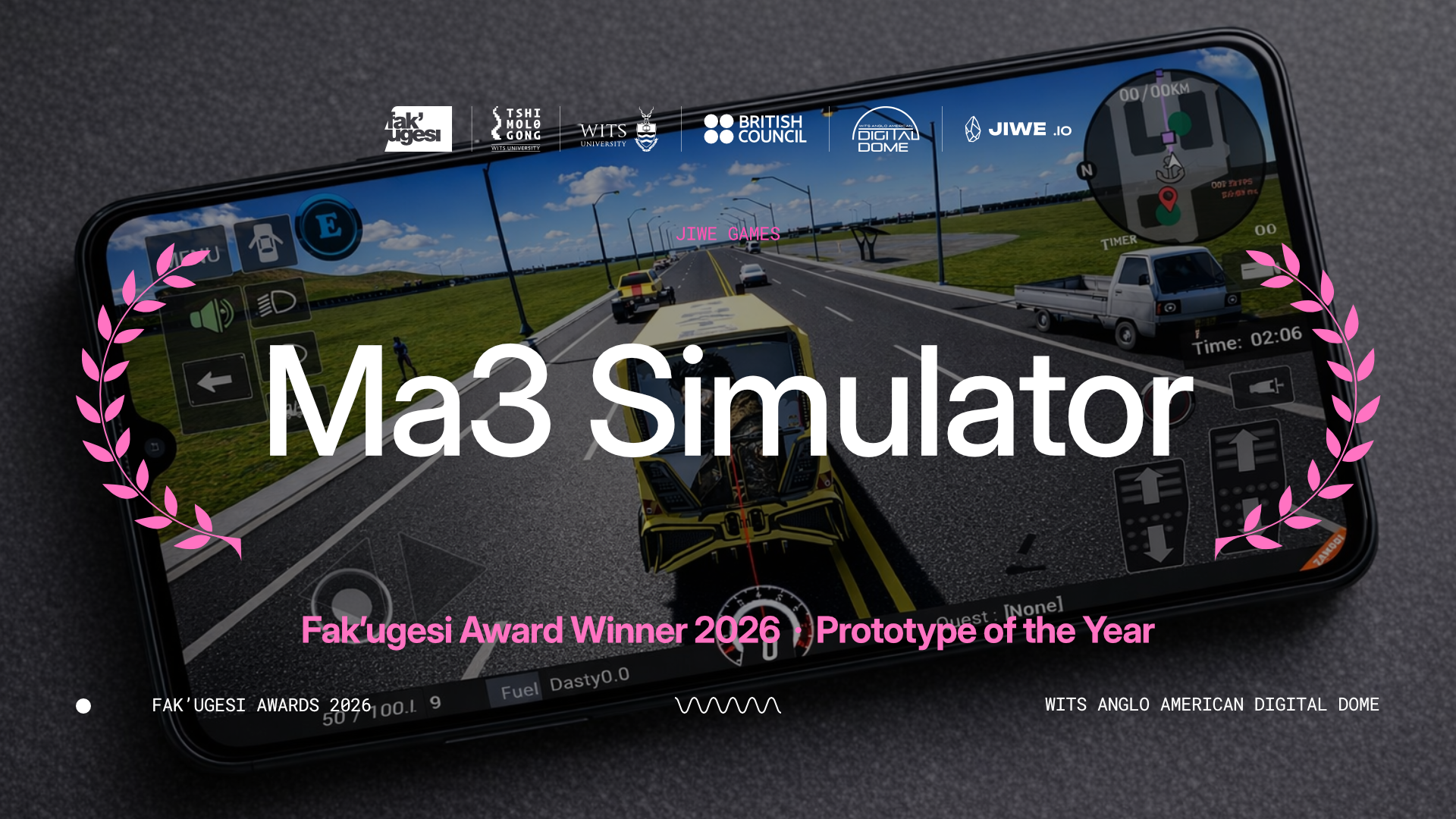

These achievements extended beyond the awards themselves. They demonstrated how physical showcases, digital platforms and community participation can work together to help creators gain visibility and build momentum.
For Ma3 Simulator, the journey from crowdfunding and playtesting to festival recognition and now an industry award nomination is particularly encouraging.
Read our full Fak’ugesi 2026 story.
Umoja: Recognition that extends beyond the studio
Our collaborative work at the intersection of historical research, community storytelling and game development has also received recognition.
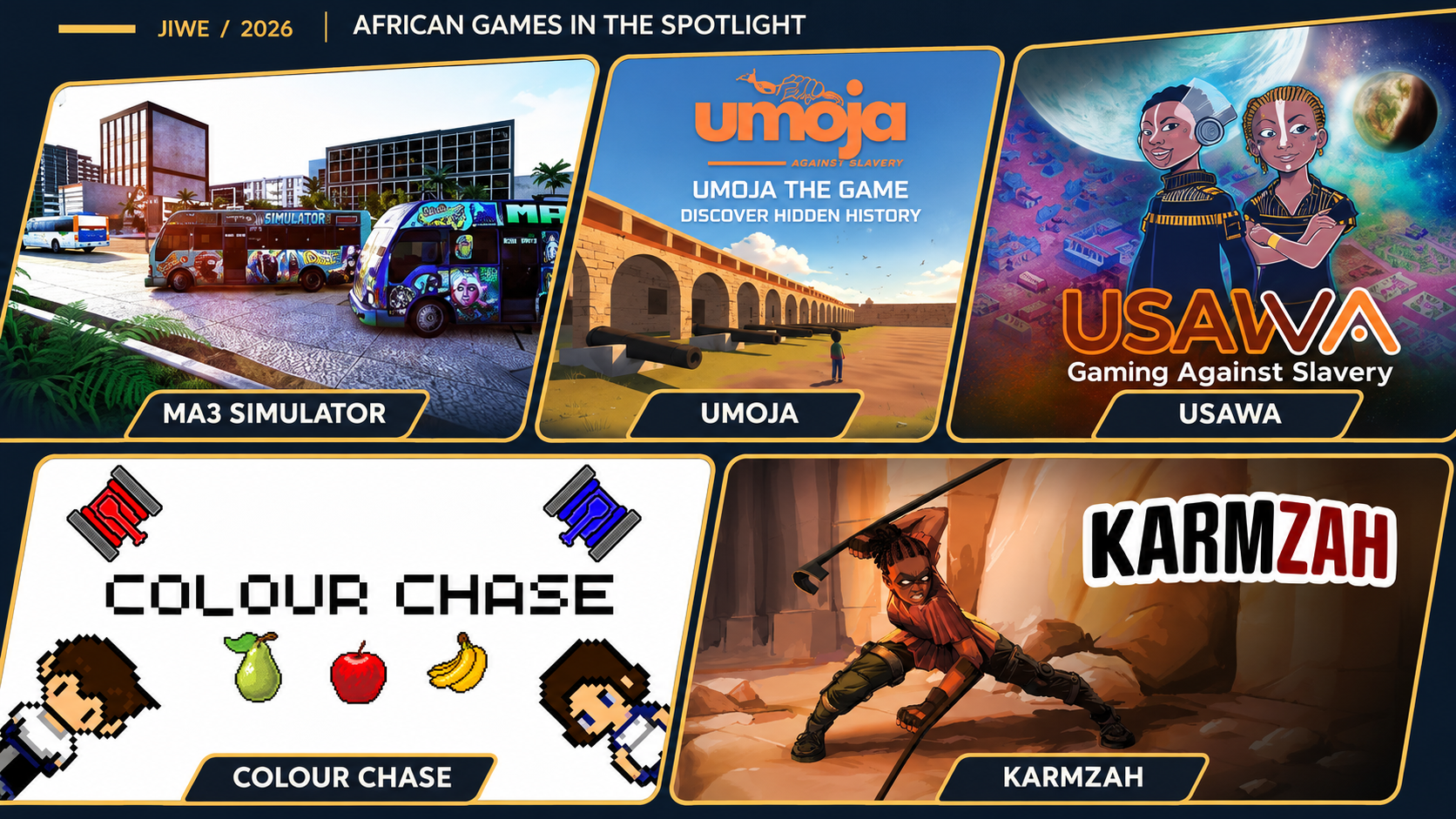
Umoja the Game has been nominated for Most Impactful Mobile Game at the Games Industry Africa Awards and shortlisted for Best Impact Game in Africa by Games for Change Africa.
Selected among 11 shortlisted games from 31 submissions, Umoja explores resistance, memory and survival within the history of the Indian Ocean slave trade along the Swahili Coast.
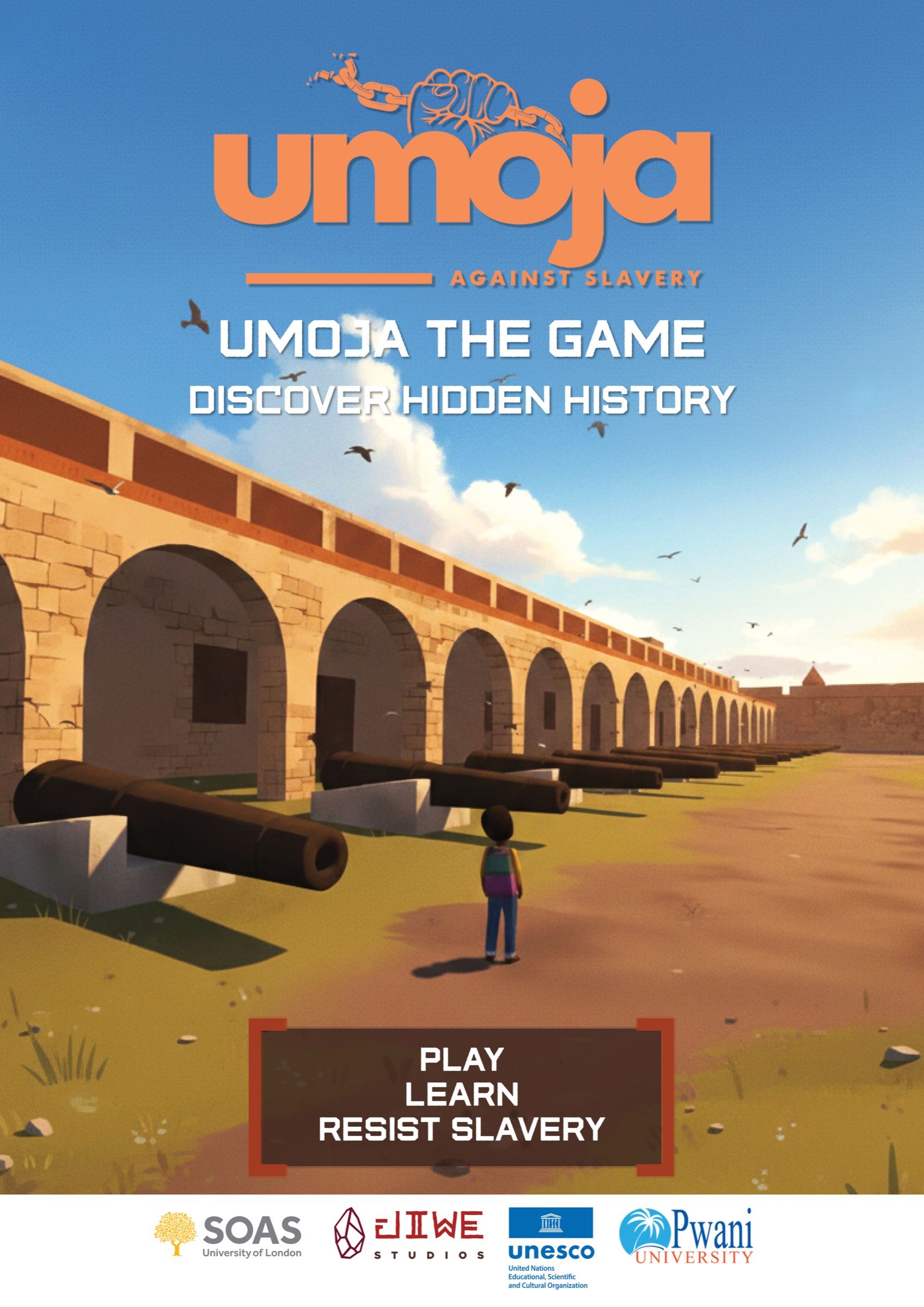
What makes this recognition particularly meaningful is that the work behind Umoja extends far beyond our development studio.
Umoja is a collaborative project bringing together Dr Marie Rodet at SOAS University of London, Jiwe Studio, Pwani University, UNESCO and local communities. Marie has played a central role in the project's conceptualisation, research and narrative leadership, development and funding acquisition, while Max Musau and Jiwe Studio have led its technical development, translating research and community narratives into an interactive game experience.
Two years ago, on 28 November 2024, we were in Witu, Kenya, working alongside research assistants and community members to document histories of resistance to slavery. Today, a game informed by those conversations is receiving international industry recognition.
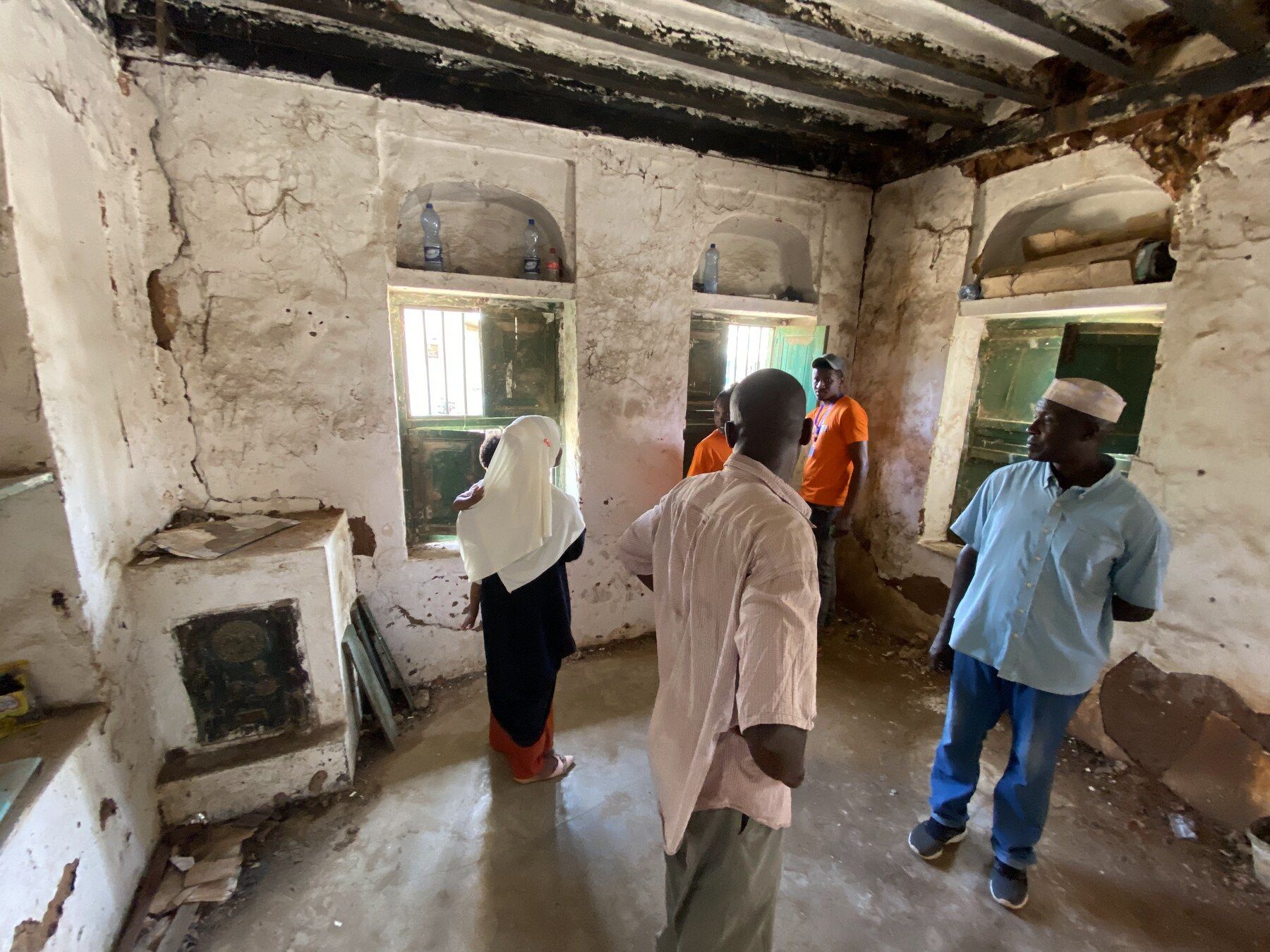
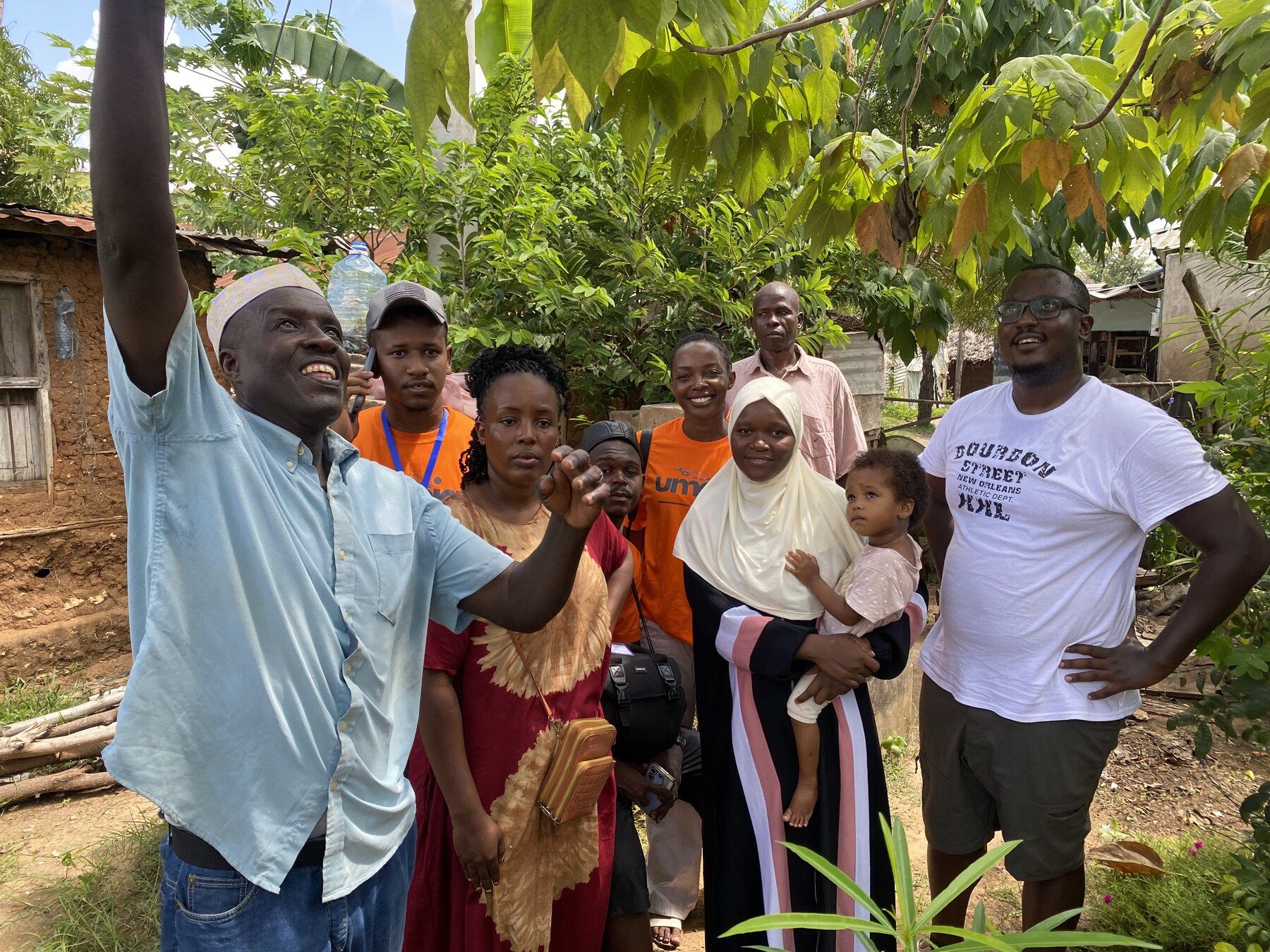
From local research assistants and community contributors to historians, artists and game developers, Umoja brings together community knowledge, historical research and interactive storytelling.
We hope that the research assistants, academic partners and communities who welcomed us, shared their knowledge and helped shape this experience will take pride in these nominations.
This is the spirit of co-production: creating with communities rather than simply creating about them. It also means recognising the distinct contributions of everyone involved in bringing these experiences to life.
It challenges us to think differently about whose contributions are recognised when a game succeeds, particularly when the knowledge that informs it comes from communities often underrepresented in the global games industry.
Read our December 2024 Umoja project update.
This recognition encourages us to continue exploring the intersection of games, education, cultural heritage and social impact.
Discover Umoja the Game.
USAWA: Exploring new frontiers in interactive testimony
Our next showcase will take place at Africa Games Week in Cape Town.
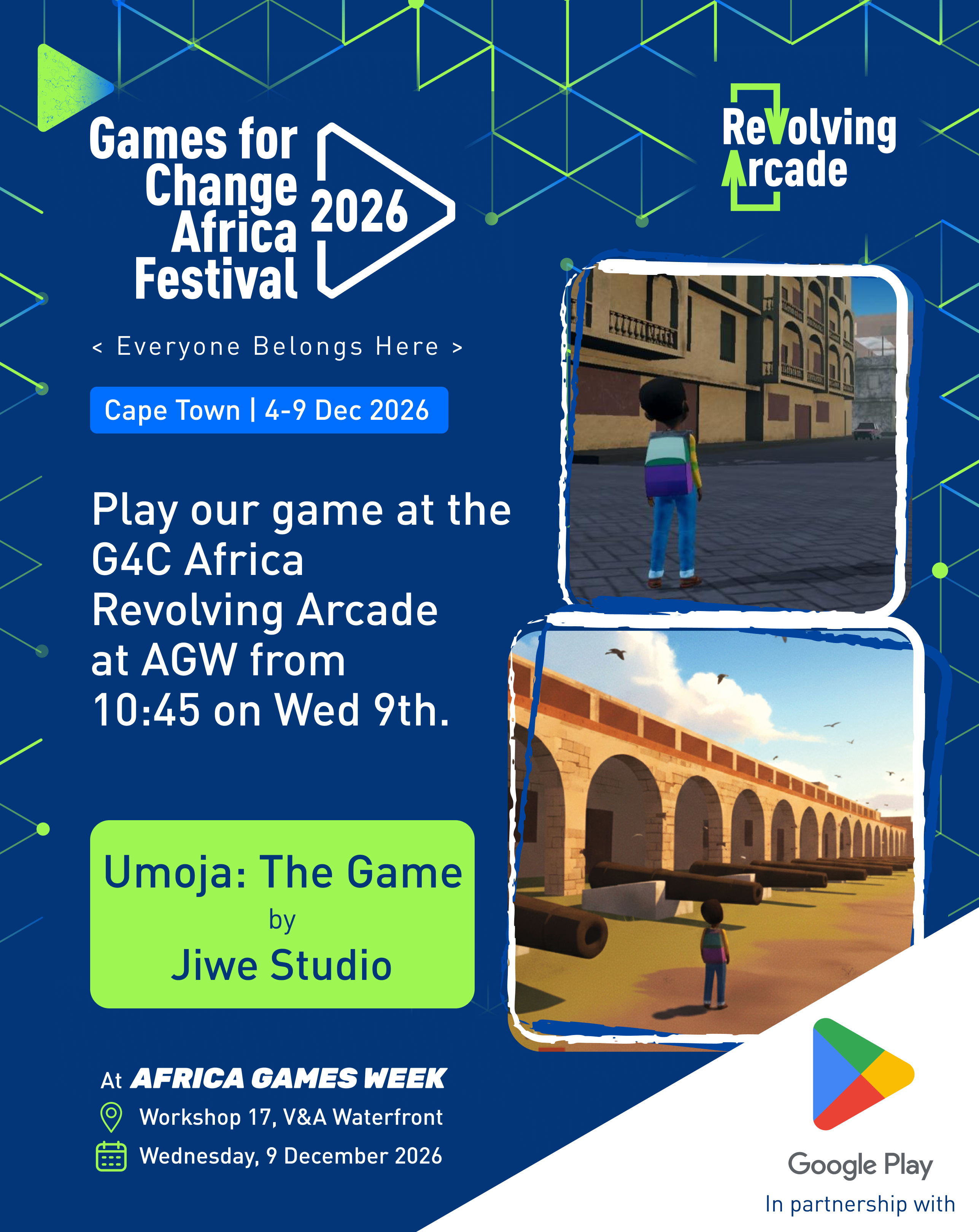
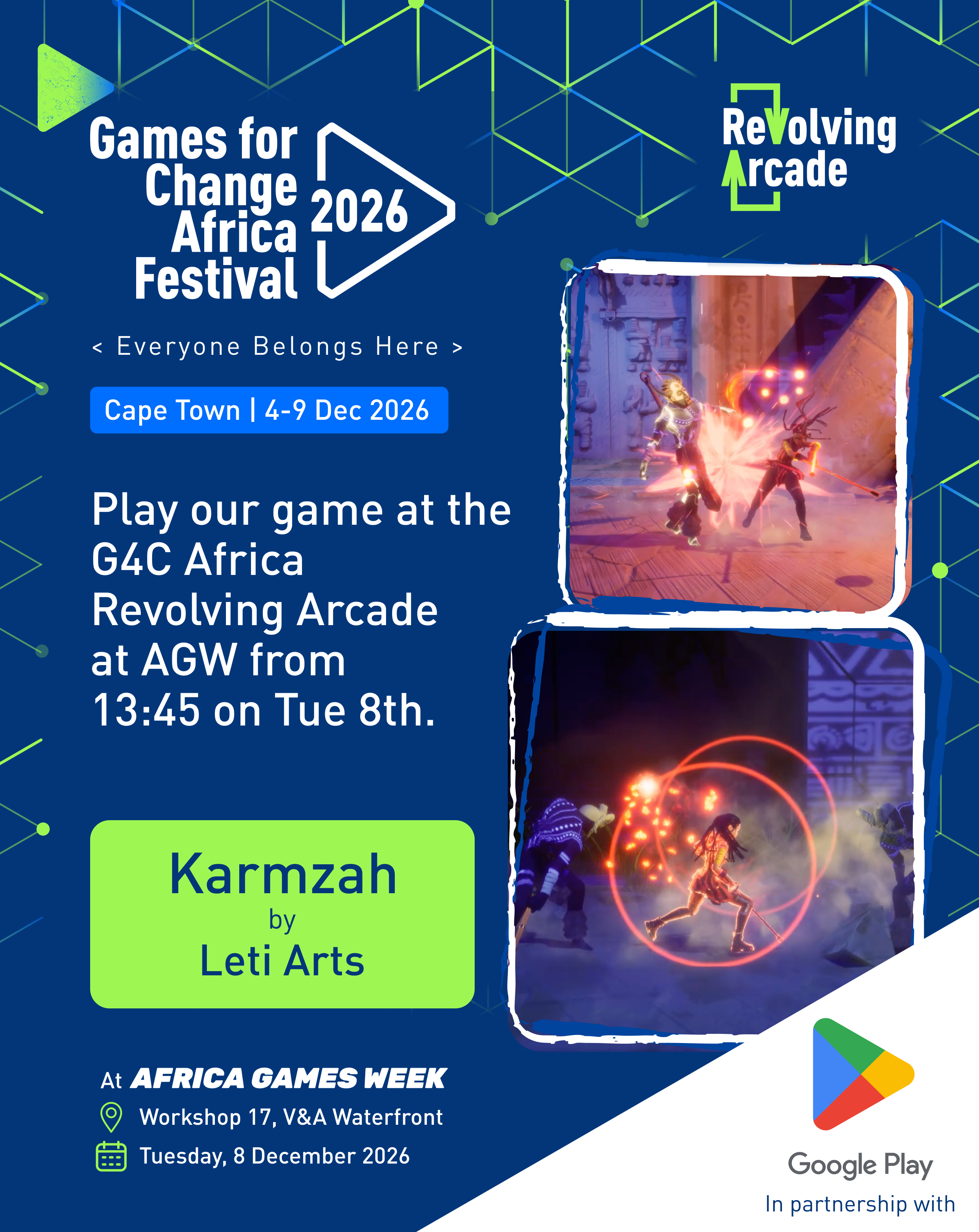
On December 8–9, both USAWA – Equity and Umoja the Game will feature at the Games for Change Africa Revolving Arcade, presented in partnership with Google Play.
The arcade will bring together 22 African games and game-based initiatives demonstrating the potential of games to drive social and economic impact.
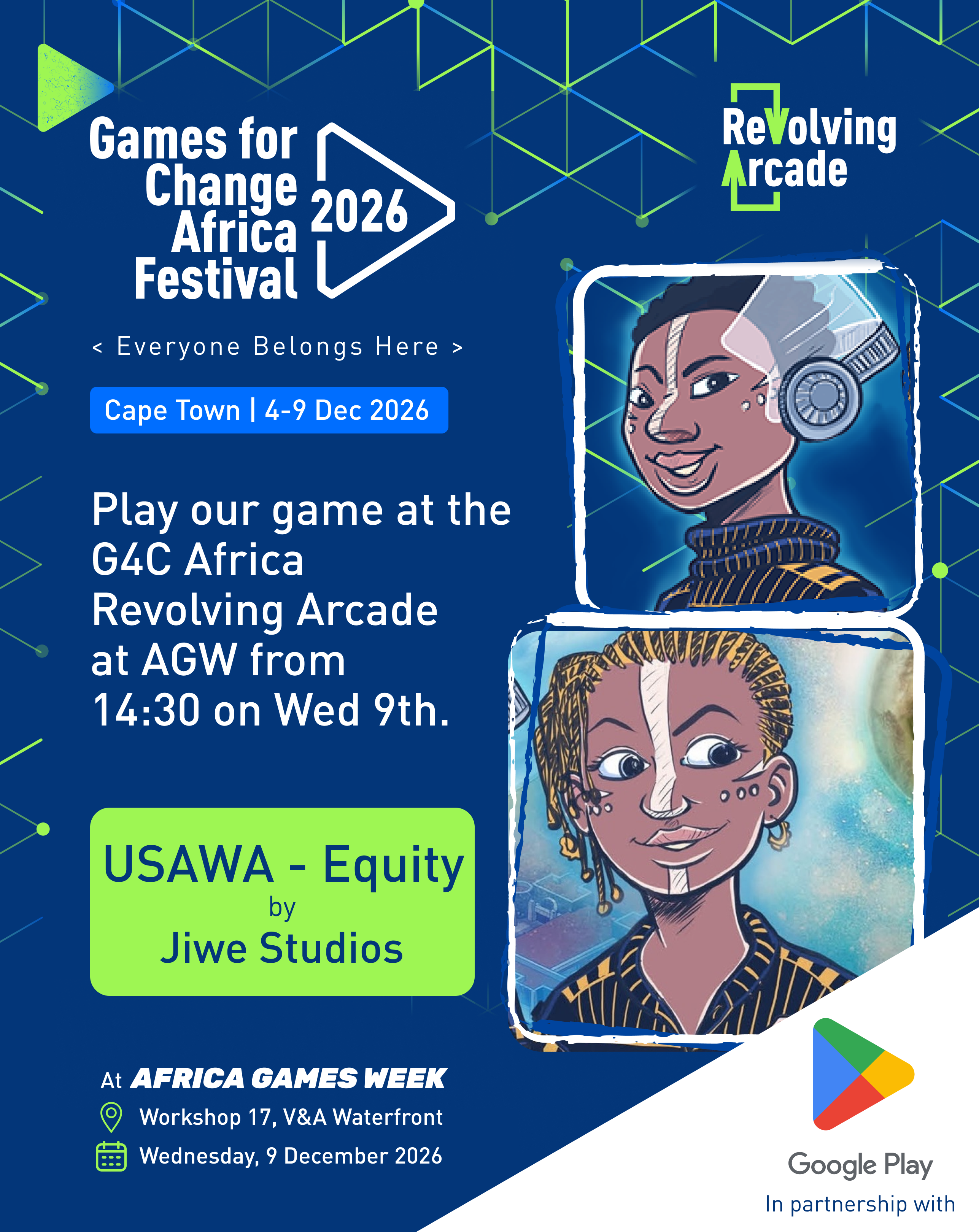
USAWA is an Afrofuturist educational game exploring inherited inequality and descent-based slavery, grounded in historical research led by Dr Marie Rodet at SOAS University of London and developed in collaboration with Jiwe Studio, Donkosira and research and creative partners in Mali. Marie has played a central role in its conceptualisation, research, narrative development and funding acquisition, with Max Musau and Jiwe Studio leading its technical development.
Building on this collaboration, Marie Rodet and Max Musau are working together on USAWA AI, an ongoing research and development initiative exploring the possibilities of AI-mediated testimony in historical learning.
With Marie leading the research, narrative and educational dimensions of the project, and Max leading its technical development at Jiwe Studio, the collaboration brings together historical scholarship, game design and emerging technologies.
SOAS has been the main source of funding for these collaborative projects over the past two years, with Marie playing a central role in securing research and impact funding as well as shaping their conceptualisation and development.
Through USAWA AI, we are exploring how learners can critically engage with narratives informed by historical research and testimony, ask questions, investigate historical context and reflect on how knowledge is constructed.
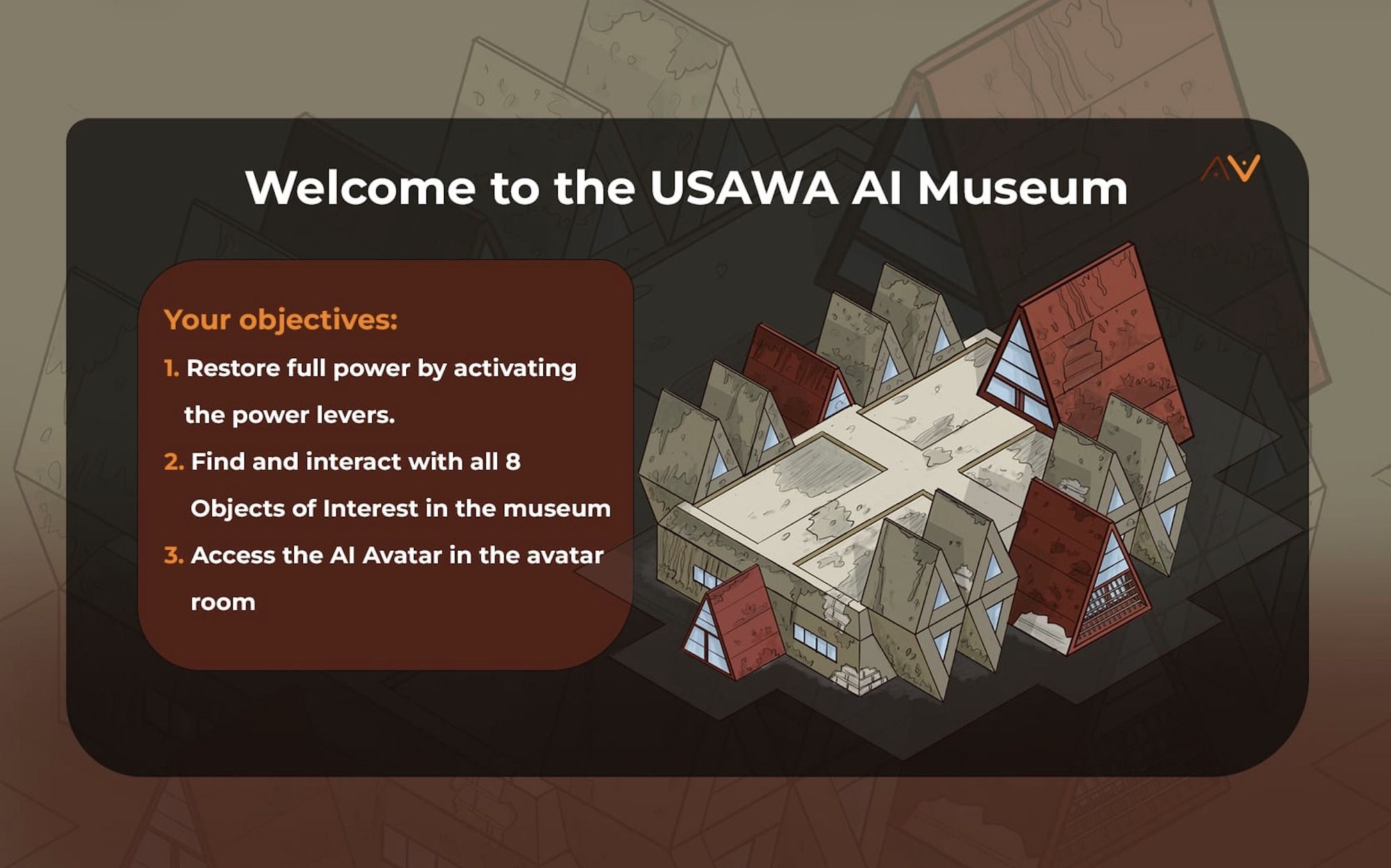
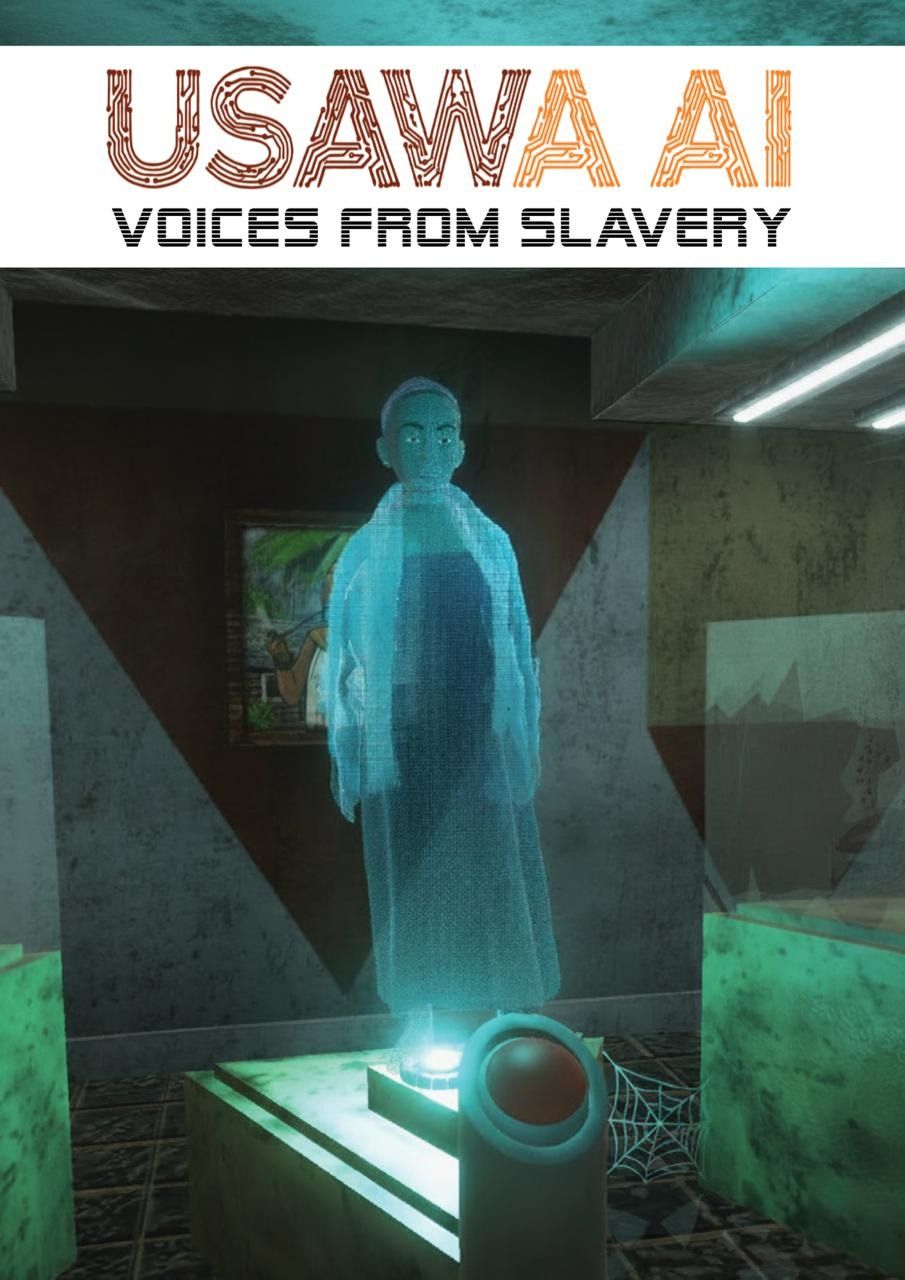
Can AI help us develop a deeper understanding of difficult histories? Can it create new ways of engaging with historical testimony while respecting the voices, experiences and intentions of the people whose stories inform these experiences?
The objective is not to replace authentic testimony with artificial intelligence, but to investigate how technology can support meaningful historical enquiry while maintaining historical accuracy, ethical responsibility, critical thinking and respect for the original accounts.
It is an exciting example of what can emerge when academic research and creative technology are developed collaboratively.
We are also excited to celebrate fellow African creators, including Leti Arts from Ghana, whose game Karmzah has been shortlisted for Best Impact Game in Africa and selected for the Revolving Arcade.
These showcases provide valuable opportunities for African creators to connect with new players, industry professionals and potential collaborators.
Discover USAWA – Equity | Explore Games for Change Africa.
Building in public, building with communities
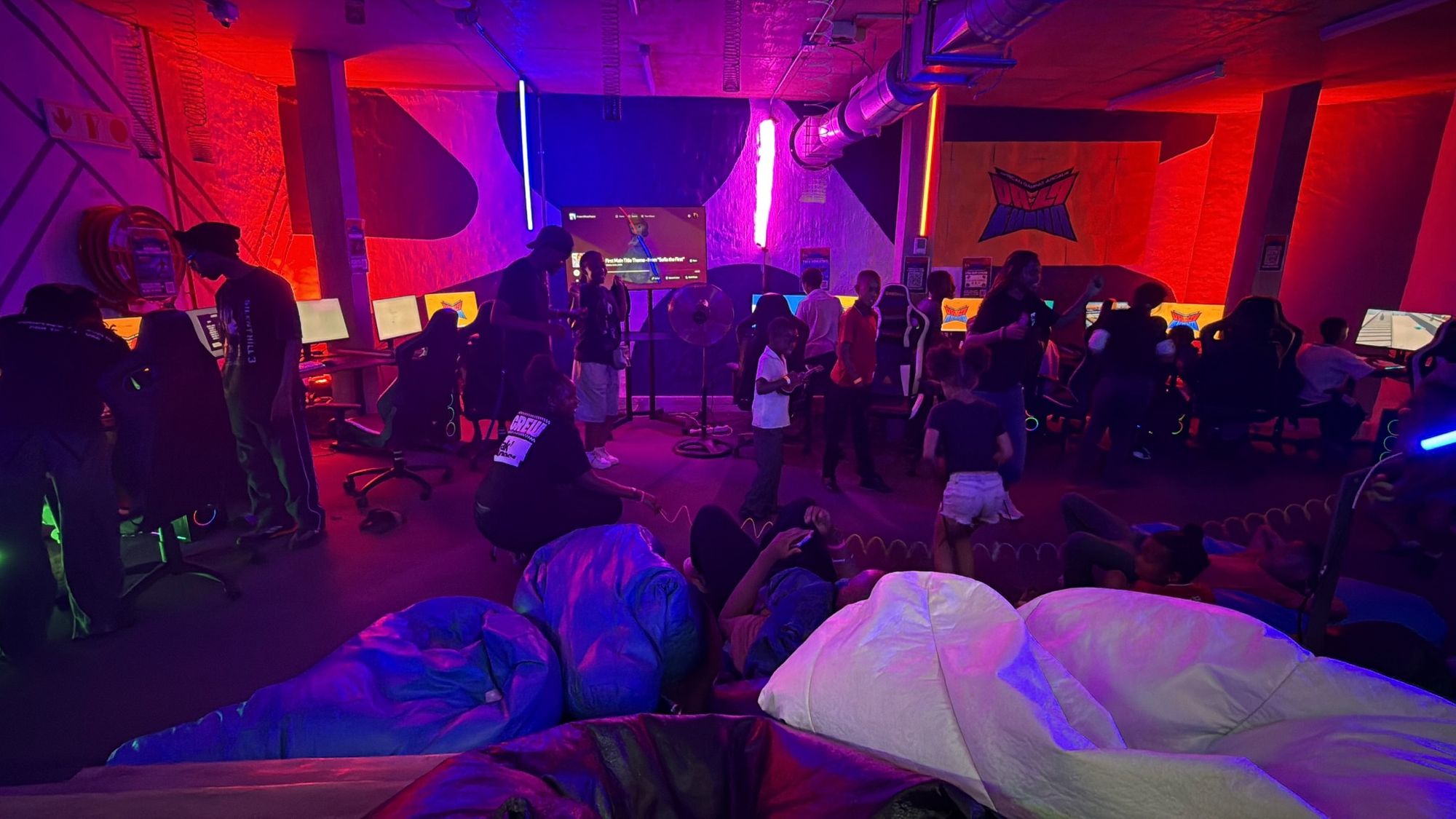
While awards and nominations are worth celebrating, the bigger opportunity lies in what we build together beyond these moments.
For independent developers, building in public means sharing ideas, prototypes, progress and challenges throughout the development journey. It means inviting players into the process early enough for their feedback and support to make a meaningful difference.
Through Jiwe IO, we are working to make this easier by connecting game publishing, development updates, community playtesting, crowdfunding and, in the future, recurring project subscriptions.
At Jiwe Studio, building with communities also means building equitable partnerships with researchers, academic institutions, cultural organisations and the communities whose knowledge informs our work.
Our collaborations with Dr Marie Rodet and SOAS University of London across USAWA, USAWA AI and Umoja demonstrate the possibilities of bringing research leadership, institutional support, community knowledge and creative technology together.
These achievements are shared milestones, made possible through the distinct and complementary contributions of everyone involved.
These approaches are complementary. Communities are not simply audiences or consumers of creative work. They can be active contributors to its development.
We are also applying this philosophy to how we build Jiwe IO itself: listening to our users, learning from their experiences and developing features in response to the needs of the community.
Our experiences as game developers help us understand the challenges facing creators, while our work with the wider developer community helps us recognise the opportunities that exist when we build collectively.
We want to contribute to an African gaming ecosystem where more creators can build openly, find their audiences, sustain their work and participate in the growth of the industry.
The milestones we have seen this year are encouraging signs of what a more connected African gaming ecosystem could achieve.
Whatever the outcome of the upcoming awards, there is already plenty to celebrate.
Congratulations to all the nominated developers, studios and initiatives across the continent, and thank you to the researchers, research assistants, funding partners, communities, players, supporters and collaborators who make this work possible.
Discover African games. Play them. Share them. Support their creators.
Explore Jiwe IO.
Further reading


