

Looking Back at the Mwanzo Award 2025 — and What It Signals for African Game Development
The 2025 Fak’ugesi Awards marked another important moment for African interactive media.
Among the recognitions was the Mwanzo Prototype of the Year Award — an award dedicated to celebrating emerging African developers at the earliest stage of their creative journey.
“Mwanzo” means “beginning” in Swahili.
And in many ways, the prototypes recognized this year represent the beginning of a new chapter for African game development.
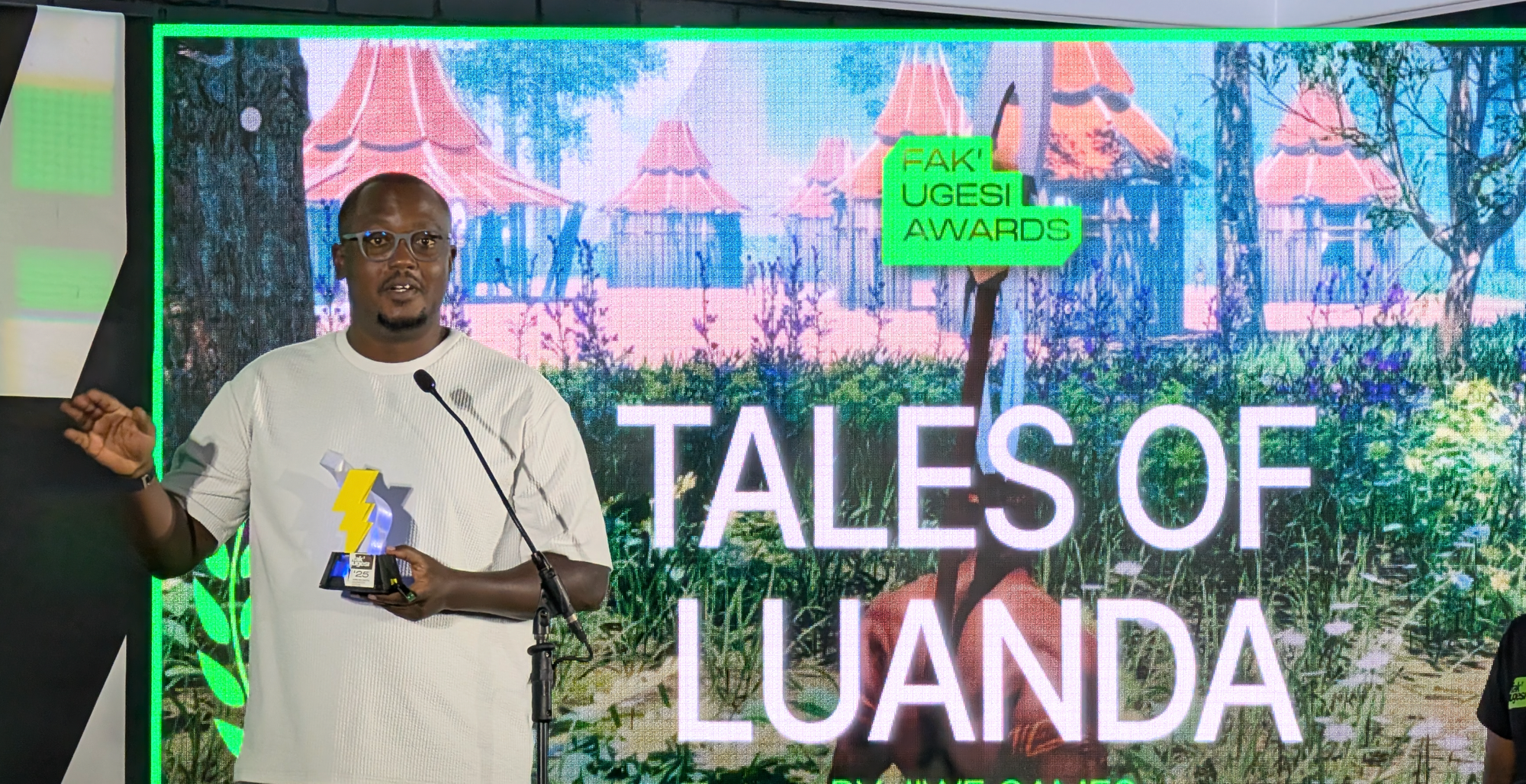
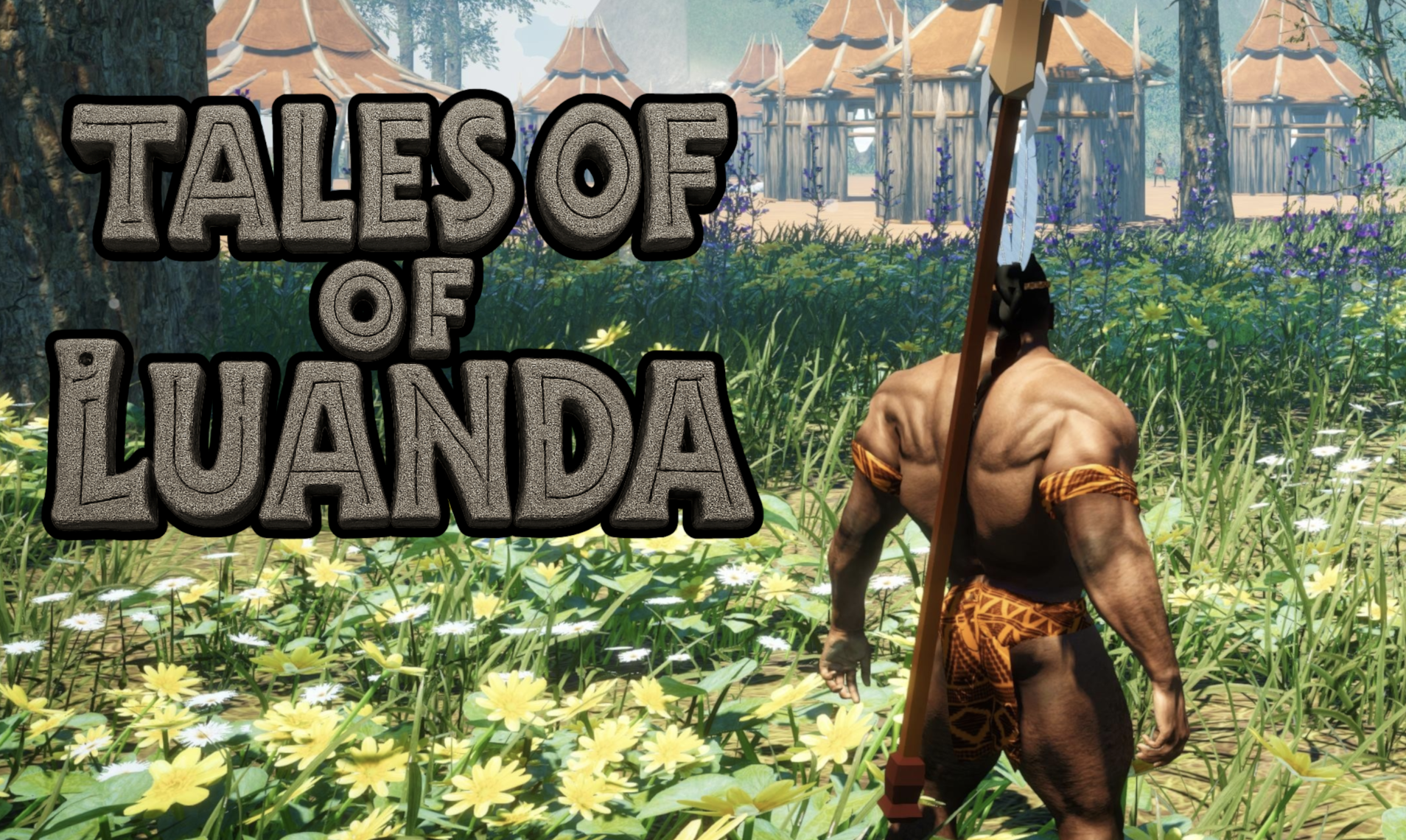
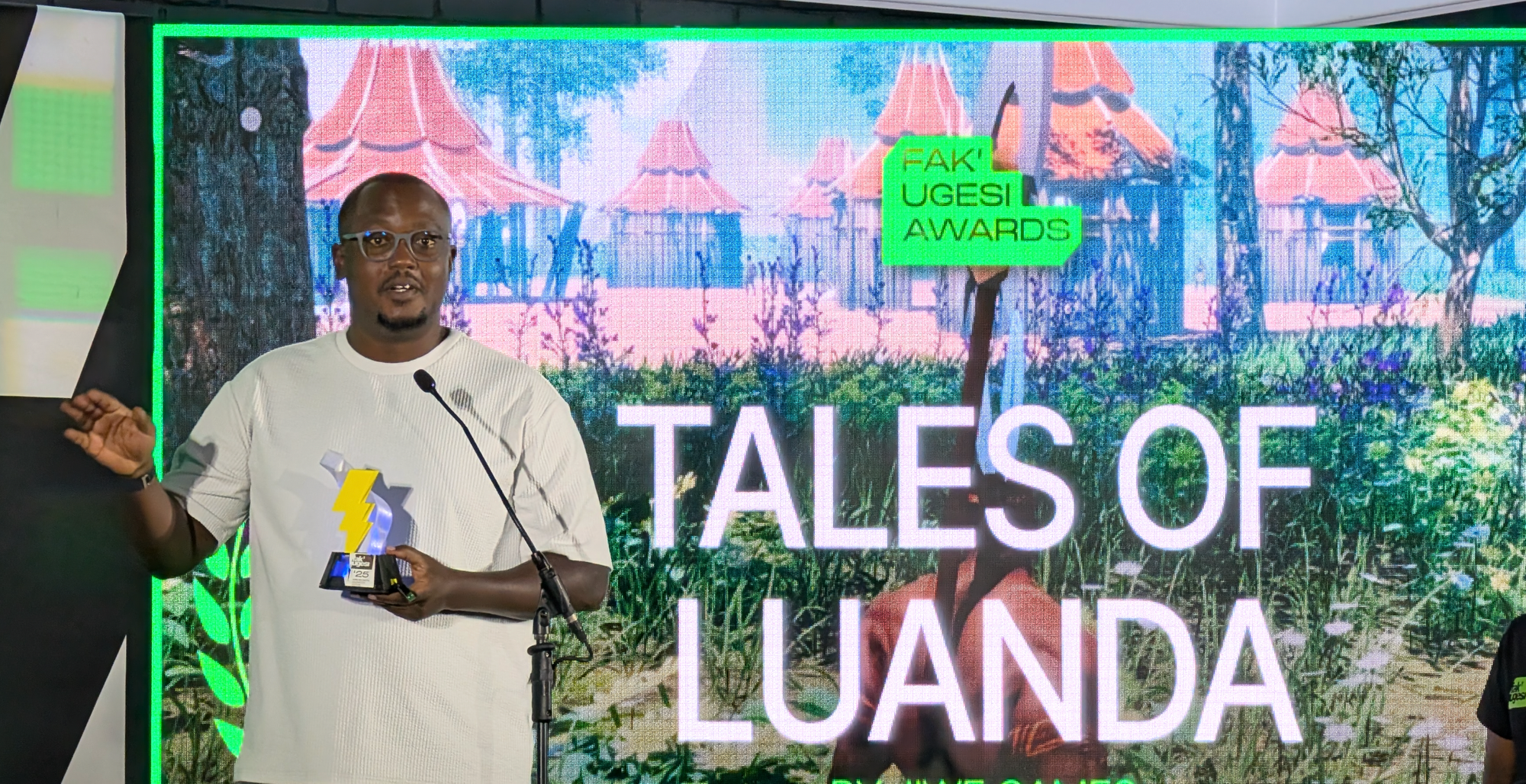
Winner: Tales of Luanda
Tales of Luanda received the 2025 Mwanzo Award for its compelling prototype and strong narrative direction.
The project stood out for:
1. A distinct cultural setting
2. Visual ambition
3. Story-driven gameplay
4. Clear potential for expansion
Even at prototype stage, the game demonstrated what African storytelling in interactive media can look like when it is rooted in place, identity, and confidence.
Recognition at this stage is not just symbolic — it validates experimentation and gives early-stage teams the momentum to continue building.
Runner Up: MA3 Simulator
Close behind was MA3 Simulator — a prototype grounded in a uniquely African experience.
Inspired by local transport systems and everyday urban realities, MA3 Simulator reflects something powerful about African game development:
Innovation does not require imitation.
By building mechanics around familiar cultural experiences, developers create games that resonate deeply with their audiences while remaining globally interesting.
The strength of MA3 Simulator signals the growing maturity of local game design thinking — mechanics emerging from context rather than borrowed templates.

Why Mwanzo Matters
The Mwanzo Award was created to recognize:
1. Creativity at early stages
2. Strong storytelling potential
3. Technical ambition in prototypes
4. African developers shaping their own narratives
But recognition alone is not enough.
Prototypes need infrastructure.
They need:
1. Feedback loops
2. Community validation
3. Early audience engagement
4. Monetization pathways
That is where Jiwe IO continues to position itself, not just as a spotlight, but as a support system.
Looking Ahead to 2026
If 2025 demonstrated the depth of emerging talent, 2026 is poised to demonstrate scale.
The number of prototypes entering the ecosystem is increasing.
The quality is rising.
The confidence is growing.
African game development is no longer experimental.
It is becoming structured.
We look forward to seeing what the next Mwanzo cohort brings — and to continuing to build the tools that help prototypes move from recognition to sustainability.


